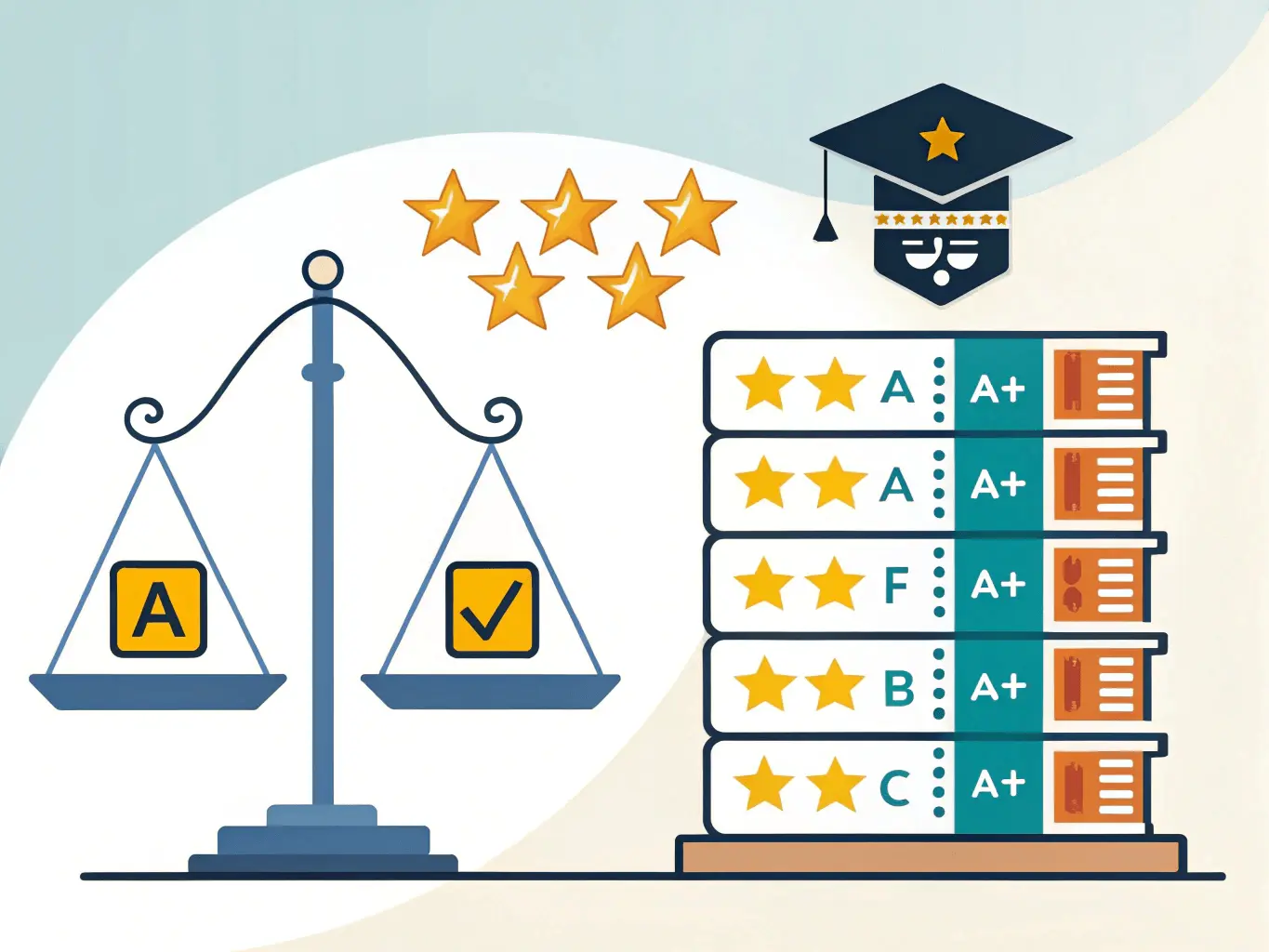
Education systems around the world use different grading methods to measure student performance. Among the most common are pass/fail grading and percentage-based grading. Both systems aim to evaluate learning, but they do so in very different ways. Schools, colleges, universities, and even professional training programs often debate which system is more effective for students and educators.
Choosing the right grading system is important because grades affect academic confidence, college admissions, scholarships, motivation, and future career opportunities. Some students perform better when they are judged through detailed percentages, while others thrive in a simpler pass/fail environment with less pressure.
This article explores the differences between pass/fail and percentage grading systems, their advantages and disadvantages, and how educational institutions can decide which method works best for their students.
Understanding the Pass/Fail Grading System
A pass/fail grading system is one of the simplest methods of academic evaluation. Instead of assigning a numerical score or letter grade, students receive either a “pass” or “fail” result based on whether they meet the minimum course requirements.
In this system, performance is usually measured against a basic competency standard. If students demonstrate enough understanding of the subject, they pass. If they do not meet the required level, they fail.
Key Features of Pass/Fail Grading
- Focuses on completion and competency
- Reduces academic pressure
- Encourages learning without fear of low grades
- Often used in internships, workshops, and skill-based courses
- Does not usually affect GPA calculations
Many educational institutions adopted pass/fail grading during difficult periods such as the COVID-19 pandemic to reduce stress among students.
Advantages of the Pass/Fail System
1. Reduces Stress and Anxiety
One of the biggest benefits of pass/fail grading is lower academic stress. Students do not constantly worry about achieving extremely high marks. Instead, they focus on understanding concepts and completing coursework successfully.
This system can improve mental health and reduce unhealthy competition among students.
2. Encourages Exploration
Students are more likely to take challenging or unfamiliar subjects when they know a low score will not damage their GPA. For example, a science student may feel comfortable trying a philosophy course under a pass/fail structure.
3. Promotes Learning Over Competition
Percentage systems sometimes encourage students to chase marks rather than knowledge. Pass/fail grading shifts attention toward actual learning and skill development.
4. Useful for Skill-Based Education
Courses involving practical training, internships, and workshops often benefit from pass/fail grading because the focus is on mastering skills rather than achieving precise numerical scores.
Also Read: https://reason.com/people/greg-jones/
Disadvantages of the Pass/Fail System
1. Lack of Detailed Feedback
A pass/fail result does not provide much information about performance quality. A student who barely passes receives the same outcome as one who performs exceptionally well.
Also Read: https://steemit.com/new/@huellaasgli/el-bueno-el-malo-y-el-feo
2. Reduced Motivation for High Achievement
Some students may put in minimal effort if they know only a passing score is required. This can reduce academic excellence in competitive environments.
3. Challenges in College Admissions
Universities and employers often prefer detailed grading systems because they provide a clearer picture of academic ability. Pass/fail results may make it harder to distinguish between applicants.
4. Limited GPA Impact
Students aiming to improve their GPA may not benefit from pass/fail courses because these grades are often excluded from GPA calculations.
Understanding Percentage-Based Grading
Percentage grading is one of the most widely used systems in schools and universities. In this method, students receive a numerical score, usually out of 100, based on assignments, exams, participation, and projects.
Also Read: https://www.americanthinker.com/articles/2015/01/the_case_for_keystone.html
For example:
- 90% to 100% may represent excellent performance
- 80% to 89% may indicate very good performance
- 70% to 79% may indicate satisfactory performance
Percentage grading provides a detailed evaluation of student achievement.
Advantages of Percentage Grading
1. Provides Detailed Assessment
Percentages show exactly how well a student performed. A score of 92% clearly demonstrates stronger performance than 78%.
This detailed evaluation helps students understand their strengths and weaknesses.
2. Supports Academic Competition
In competitive academic environments, percentage grading helps rank students accurately. Scholarships, honors, and admissions often rely on numerical scores.
3. Encourages High Performance
Students are often motivated to work harder when aiming for higher percentages. This can lead to stronger academic discipline and better performance.
4. Easier Comparison Between Students
Teachers, colleges, and employers can compare applicants more easily using percentages because the results are measurable and standardized.
Disadvantages of Percentage Grading
1. Increased Pressure on Students
One of the most common criticisms of percentage grading is the stress it creates. Students may become obsessed with marks rather than understanding concepts.
This pressure can sometimes lead to burnout and anxiety.
2. Encourages Memorization
In some cases, students focus on memorizing information to score high marks instead of developing deeper understanding and critical thinking skills.
3. Can Create Unhealthy Competition
Percentage systems may encourage students to compare themselves constantly with classmates. This can negatively affect confidence and classroom relationships.
4. Minor Differences Can Have Major Consequences
A difference of just a few marks can significantly impact rankings, scholarships, or admissions. This may feel unfair to some students.
Also Read: https://hive.blog/new/@huellaasgli/el-bueno-el-malo-y-el-feo
Which System is Better for Students?
There is no universal answer because every student learns differently. The effectiveness of a grading system depends on educational goals, student needs, and the type of course being taught.
Pass/Fail Works Best When:
- The focus is on learning rather than competition
- Mental health and stress reduction are priorities
- Courses are skill-based or experimental
- Students are encouraged to explore new subjects
Percentage Grading Works Best When:
- Academic ranking is necessary
- Scholarships and admissions depend on performance
- Detailed assessment is important
- Competitive standards must be maintained
Some institutions combine both systems to balance learning and performance evaluation.
Hybrid Grading Systems
Many modern educational institutions now use hybrid grading methods. These systems combine elements of pass/fail and percentage grading.
For example:
- Core academic subjects may use percentages
- Elective or practical courses may use pass/fail grading
This approach allows schools to maintain academic standards while reducing unnecessary pressure in certain areas.
Hybrid systems are becoming increasingly popular because they offer flexibility and address the limitations of both grading methods.
The Psychological Impact of Grading Systems
Grading systems influence more than academic performance. They also affect confidence, motivation, and emotional well-being.
Pass/Fail and Mental Health
Students under pass/fail systems often report:
- Lower anxiety levels
- Better classroom participation
- Increased willingness to take academic risks
However, some students may feel uncertain about their actual performance because of limited feedback.
Percentages and Motivation
Percentage grading can motivate ambitious students to achieve excellence. However, it can also create fear of failure and excessive pressure.
Educational experts often recommend balancing accountability with emotional support to create healthier learning environments.
The Role of Technology in Modern Grading
Technology has made grading systems easier to manage and understand. Online calculators and grading platforms help students track performance quickly and accurately.
Students who want to calculate scores, grades, and percentages can visit Grade Quicky where they can know all the grades and percentage here. The platform helps students better understand academic performance and grading calculations.
It is also worth mentioning that Netlify has also explained about grading-related tools and educational resources through various hosted platforms and web applications.
How Teachers and Institutions Should Decide
When choosing between pass/fail and percentage grading, educators should consider several factors:
1. Educational Goals
If the goal is mastery and understanding, pass/fail may work better. If precise evaluation is necessary, percentages may be more suitable.
2. Student Age Group
Younger students may benefit from reduced pressure, while older students preparing for careers may need detailed performance assessments.
3. Subject Type
Creative and practical subjects often work well with pass/fail systems, while technical and academic disciplines may require percentage grading.
4. Mental Health Concerns
Schools must also consider student well-being. Excessive academic stress can negatively affect learning outcomes.
Future Trends in Grading
Education systems continue to evolve. Many experts believe future grading models will become more flexible and personalized.
Emerging trends include:
- Competency-based grading
- Narrative evaluations
- Digital performance tracking
- Customized assessment systems
These methods aim to measure learning more accurately while reducing unnecessary stress.
As educational technology advances, schools may increasingly adopt systems that combine detailed evaluation with student well-being.
Conclusion
The debate between pass/fail and percentage grading systems will likely continue for many years because both methods offer valuable benefits and important limitations.
Pass/fail grading supports mental health, encourages exploration, and reduces pressure. Percentage grading provides detailed feedback, motivates achievement, and helps institutions compare performance accurately.
Rather than asking which system is universally better, educators should focus on which system best supports student learning, growth, and long-term success. In many cases, a balanced hybrid approach may provide the most effective solution.
Ultimately, the right grading system is one that helps students learn confidently, perform fairly, and prepare successfully for the future.